The Rise of Padel
The enclosed racket sport currently dismantling local tennis infrastructure. A tactical combination of geometry, fiberglass, and a ball engineered to bounce just high enough off the glass to invite a mistake.
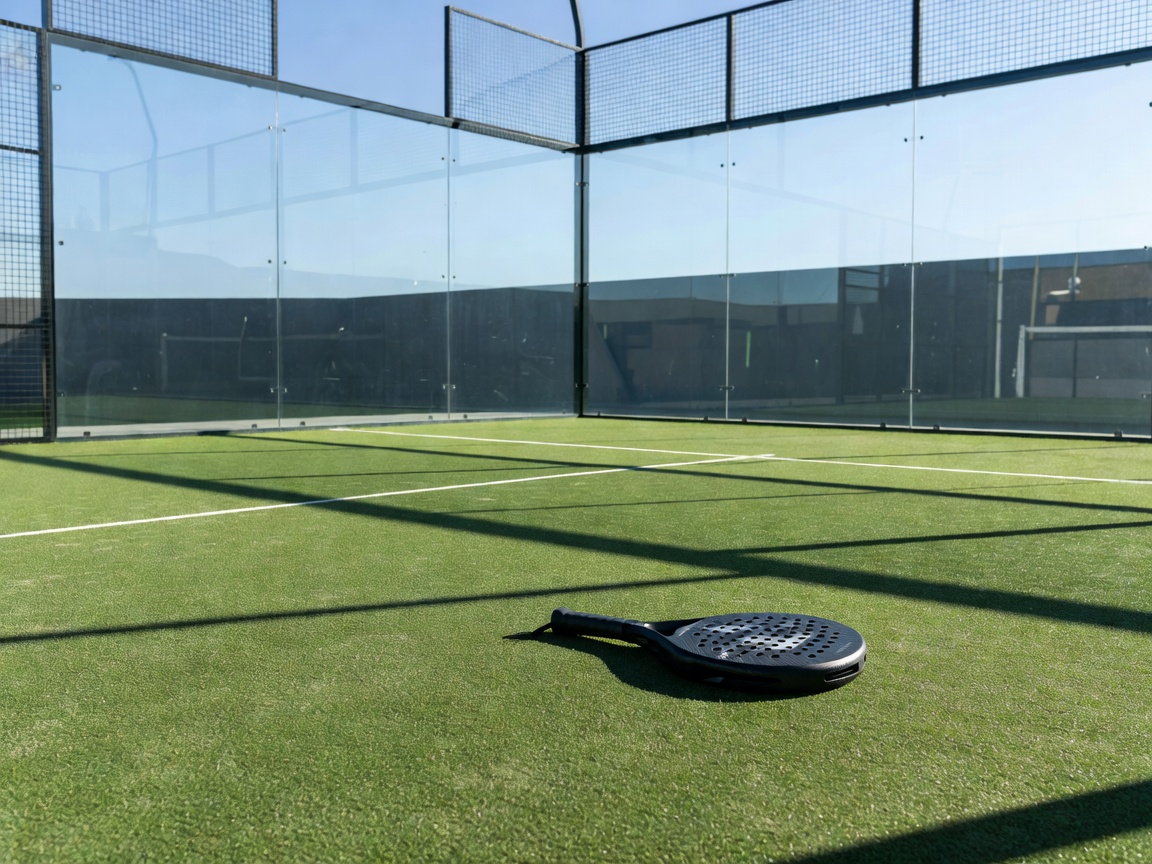
Core Disciplines
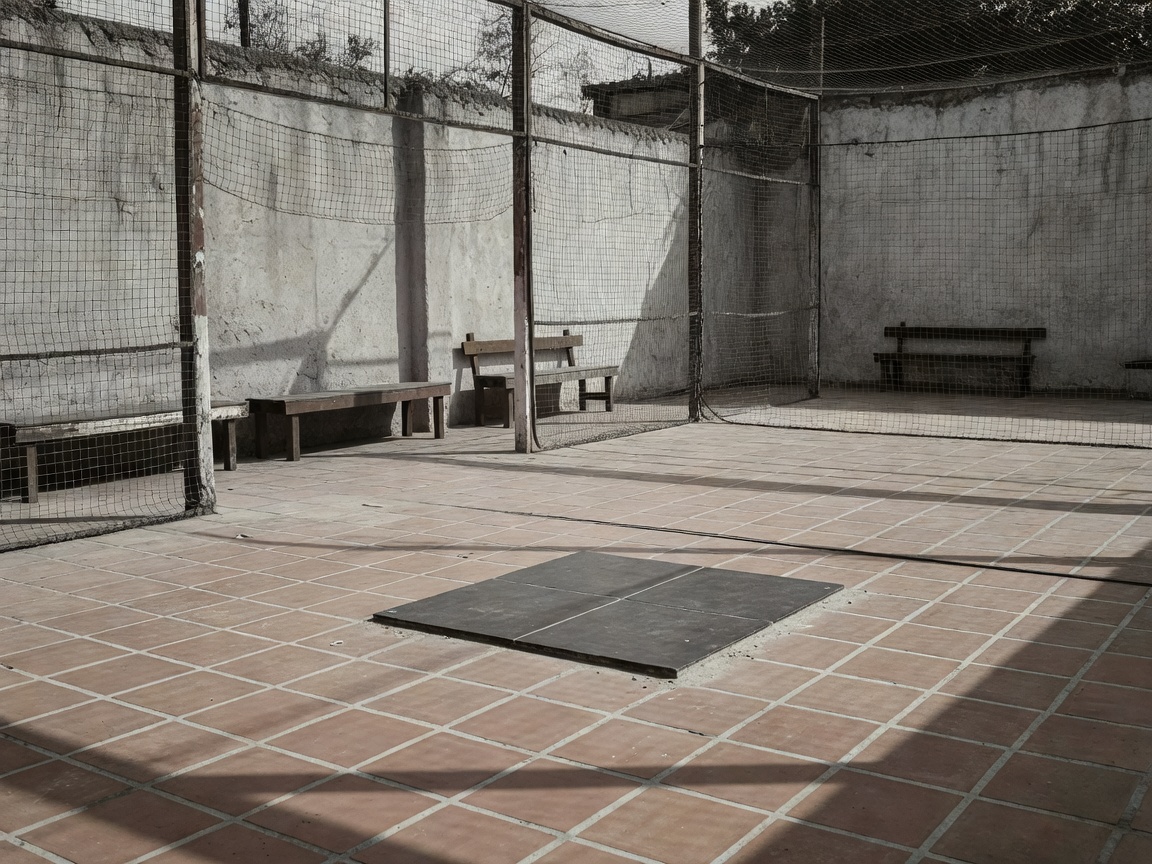
Historical Precedent
How a mild architectural compromise in 1969 Acapulco by Enrique Corcuera accidentally spawned an industry of carbon fibre.
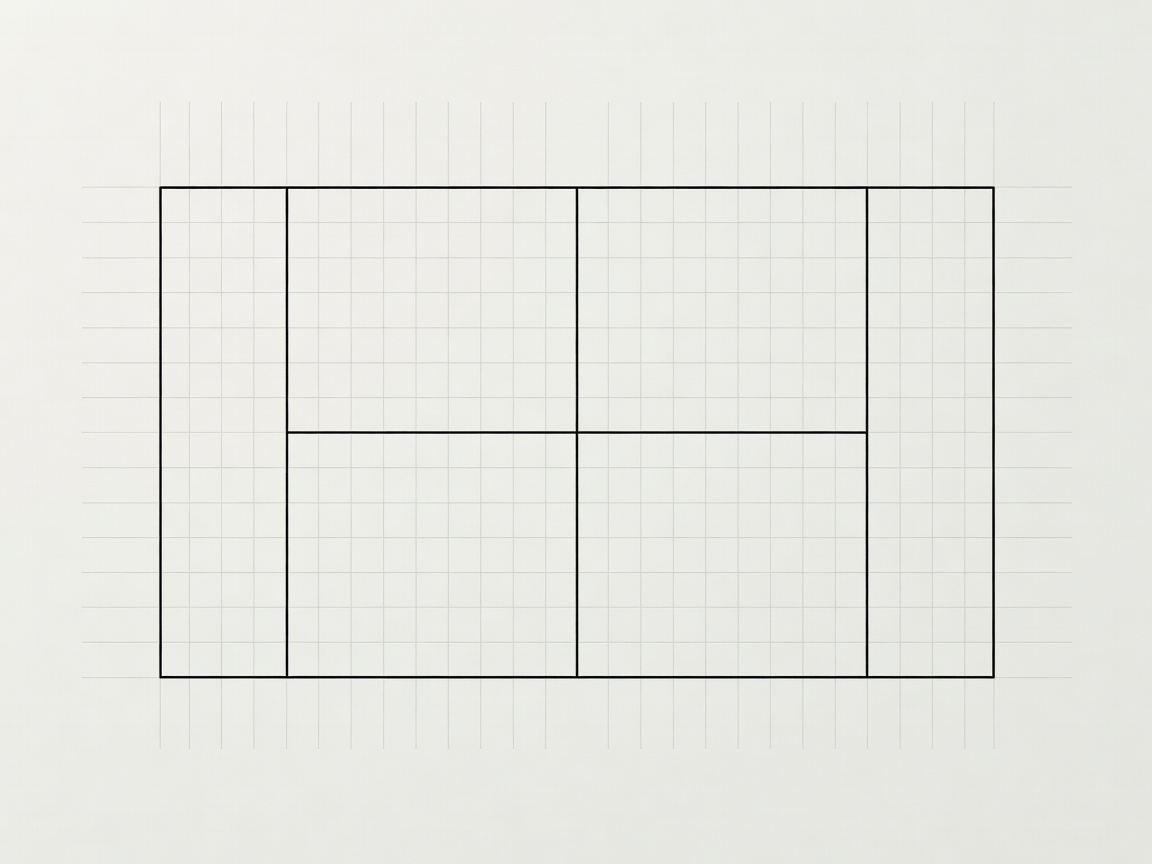
Geometry and Glass
The structural imperatives of the 10 by 20 metre cage, mesh grids, and the particular acoustics of a racket striking wire.
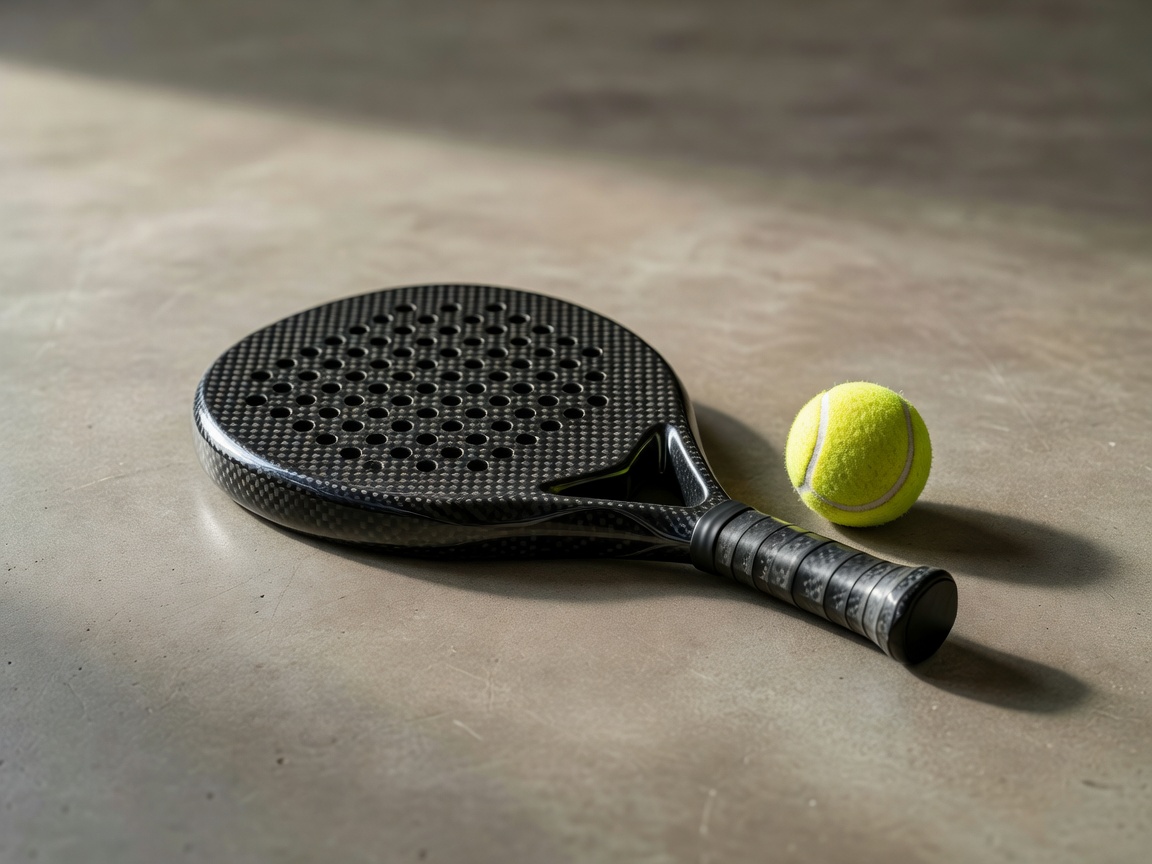
The Pala and the Ball
Dispensing with strings in favour of perforated EVA foam, and the physics of the deliberately deadened ball.

The Art of the Lob
Why hitting the ball as hard as you can usually loses the point, and the superiority of the bandeja over the conventional smash.
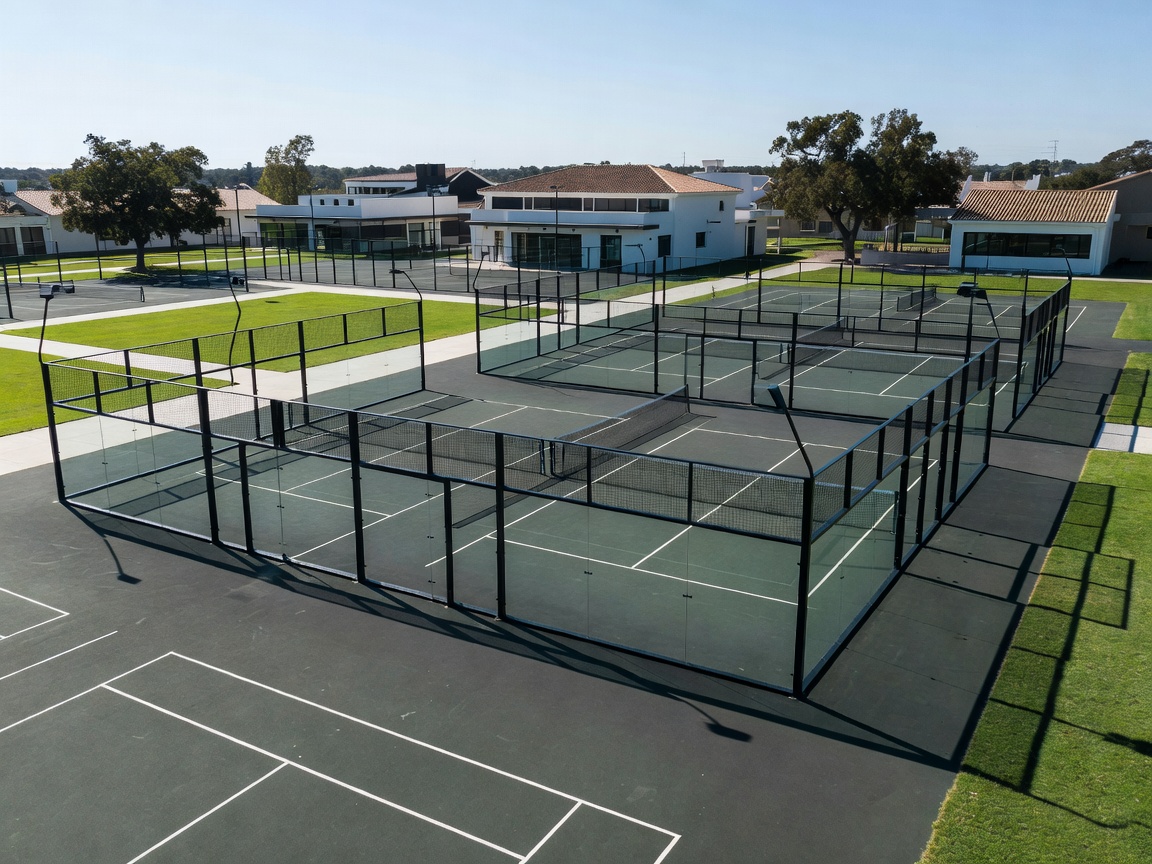
Taking Over Europe
The administrative land grab by the International Padel Federation and the sheer profitability of replacing tennis courts.
Editorial Perspective
Padel is an exercise in managing frustration. It is a sport where raw athletic dominance is frequently undone by an older opponent who understands angles. As the sport expands beyond its traditional strongholds in Spain and Argentina, it brings with it an entirely new vocabulary of shots, structural engineering requirements, and an inevitable debate about court allocations at local leisure centres.